Amber Alert vs Silver Alert vs Holly Bobo Act: Understanding Missing Persons Alerts
When someone goes missing, you hear terms like Amber Alert, Silver Alert, and Holly Bobo Act. But most families do not understand what these alerts actually are, who qualifies, or how they work. That lack of understanding can cost critical time.
I have worked cases involving every type of alert. Here is what you need to know.
Amber Alert
The Amber Alert system was created in 1996 following the kidnapping and murder of 9-year-old Amber Hagerman in Texas. It is a partnership between law enforcement and broadcasters to issue urgent alerts about abducted children.
Criteria. While specific criteria vary by state, the general requirements are: the child is 17 or younger, law enforcement believes the child has been abducted, there is enough descriptive information about the child, vehicle, or suspect to issue a meaningful alert, and law enforcement believes the child is in imminent danger of serious injury or death.
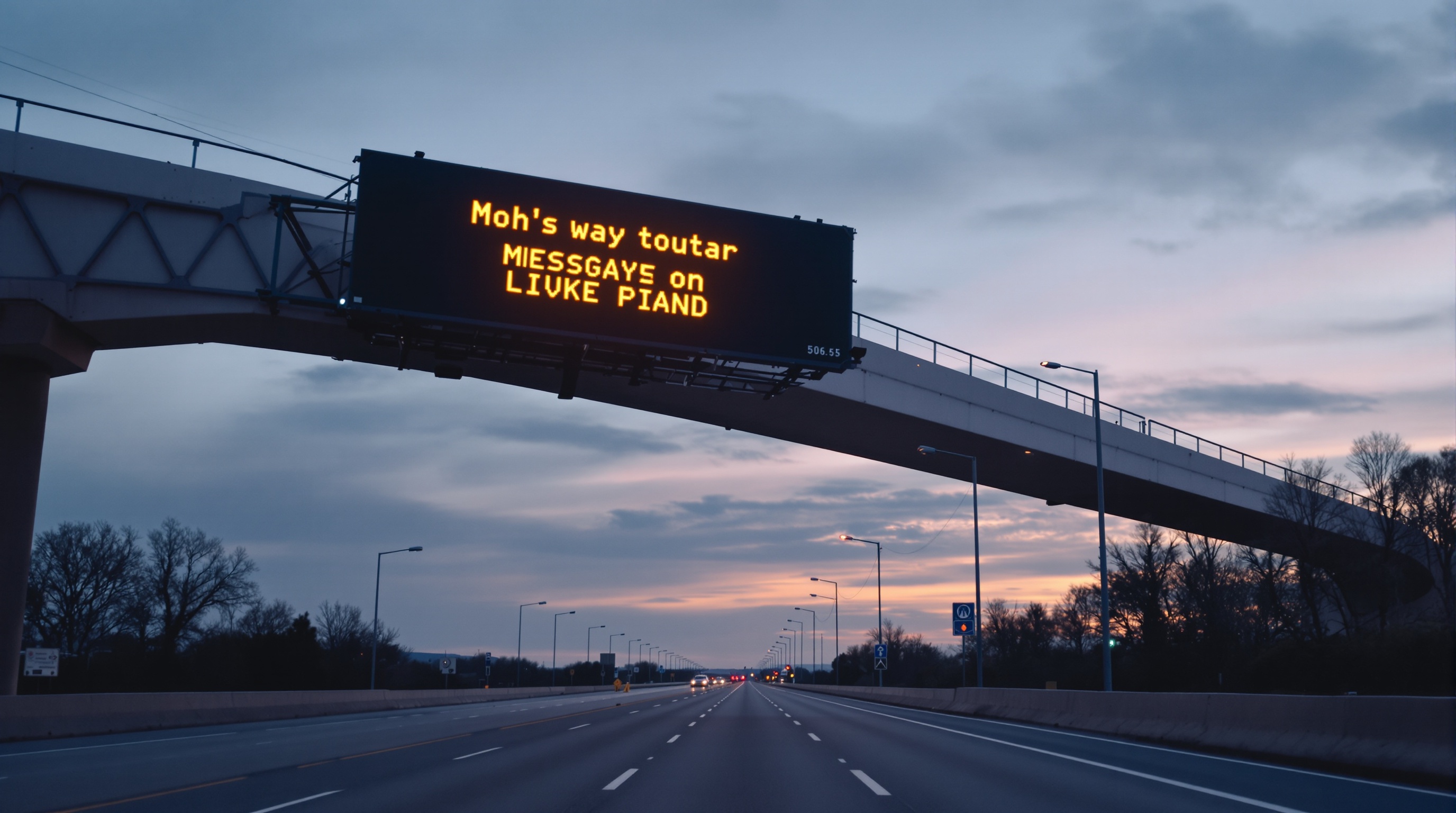
How It Works. When activated, the alert is broadcast on television, radio, highway message signs, cell phones (Wireless Emergency Alerts), and social media. The reach is enormous — millions of people receive the information within minutes.
Limitations. Amber Alerts are not issued for every missing child. Runaways generally do not qualify. Parental abductions may or may not qualify, depending on the circumstances and the state. The criteria are deliberately restrictive to prevent alert fatigue — but this means many at-risk children never receive this level of visibility.
Silver Alert
Silver Alerts are designed for missing adults with cognitive impairment — primarily dementia and Alzheimer's, but also other conditions that affect mental capacity.
Criteria. Typically, the missing person must be 60 or older (some states set different age thresholds or allow any age with a qualifying condition) with a diagnosed cognitive impairment. Law enforcement must believe the person is missing and at risk.
How It Works. Silver Alerts use many of the same channels as Amber Alerts — highway signs, media broadcasts, and in some states, Wireless Emergency Alerts. The coverage area may be more limited than an Amber Alert.
State Variations. Not all states have Silver Alert programs, and those that do have different criteria and procedures. Some states have expanded their programs to include adults with autism, developmental disabilities, or mental health conditions.
Holly Bobo Act (Tennessee)
The Holly Bobo Act is Tennessee-specific legislation passed in 2015, named after Holly Bobo, a 20-year-old nursing student who was kidnapped from her home in Parsons, Tennessee, in 2011. Her remains were found in 2014, and three men were eventually convicted.
What It Does. The Holly Bobo Act created an alert system for endangered adults — filling the gap between Amber Alerts (children) and Silver Alerts (cognitively impaired seniors). Under this act, the Tennessee Bureau of Investigation (TBI) can issue an endangered adult alert when an adult is believed to be in danger.
Criteria. The missing person must be 18 or older, and there must be credible evidence that they are in danger of serious bodily harm or death. This can include evidence of abduction, a known threat, or circumstances indicating danger.
Significance. Tennessee's Holly Bobo Act is significant because it addresses a critical gap in the alert system. Adults aged 18-60 without cognitive impairment who are in danger have historically fallen through the cracks — too old for Amber Alert, too young or too cognitively intact for Silver Alert. Other states are beginning to adopt similar legislation.
The Gap
Here is the problem I see in my work: these alert systems, while valuable, cover only a fraction of missing persons cases. If your missing loved one does not meet the specific criteria for any of these alerts, they will not receive that level of public visibility.
That does not mean they are less important. It means the system has limitations, and families need to supplement official channels with their own advocacy — social media, media outreach, community organizing, and private investigation.
What Families Can Do
Know which alerts exist in your state. If your loved one qualifies, make sure law enforcement activates the appropriate alert. If they do not qualify, be prepared to create your own visibility through every channel available to you.
And if the system is not moving fast enough, call us. We do not wait for bureaucratic thresholds to be met before we start looking.
SEARCH Investigations: (877) 619-9890. We respond to every case with the urgency it deserves, alert or no alert.