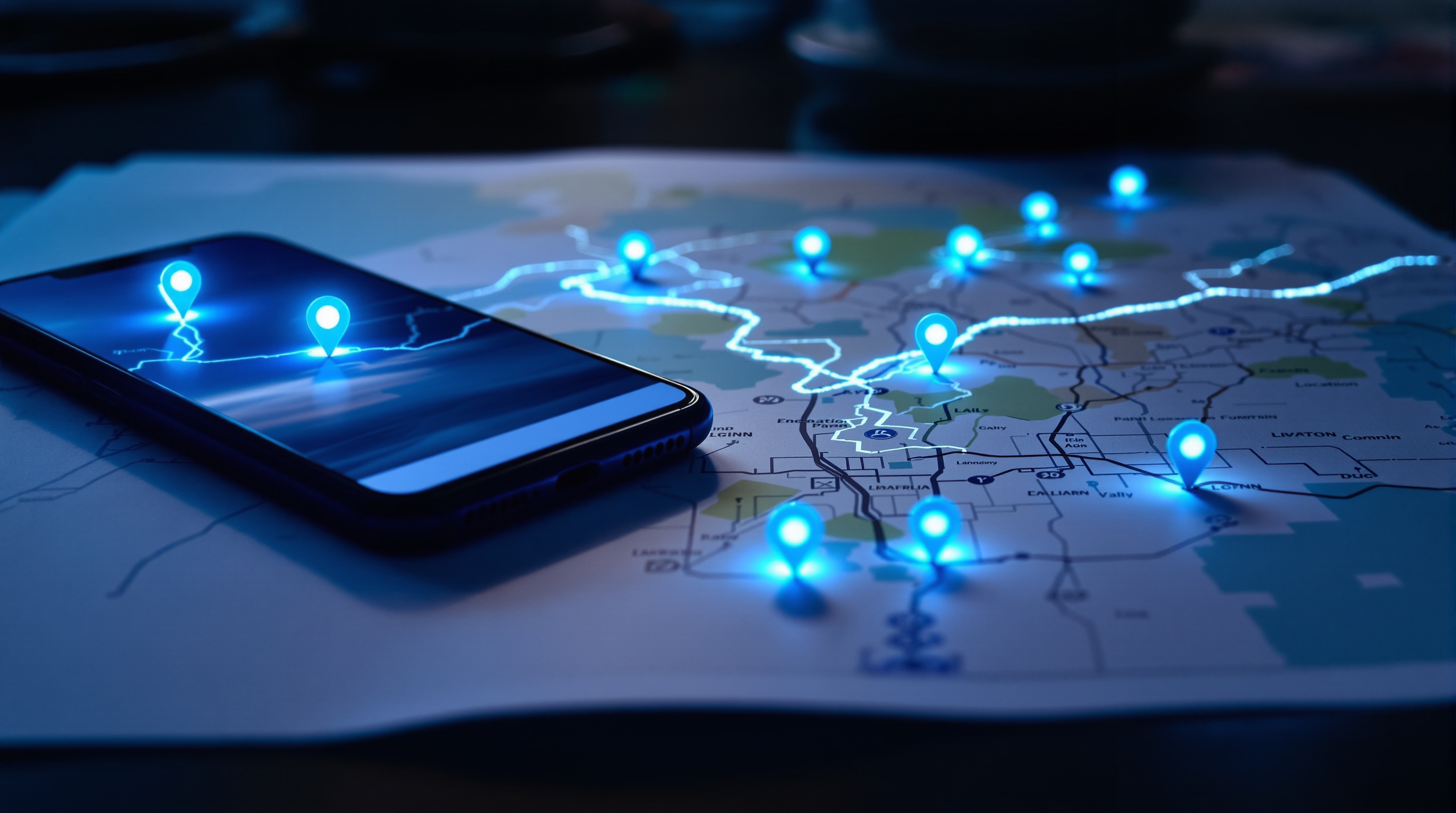
The Role of Cell Phone Data in Missing Persons Investigations
Cell phone data is one of the most valuable tools in a missing persons investigation. In a world where almost everyone carries a smartphone, that device generates a constant trail of digital breadcrumbs — cell tower connections, GPS coordinates, Wi-Fi access points, and app activity — that can tell us where someone has been, where they were headed, and when they stopped moving.
As a licensed private investigator, I use cell phone data analysis in virtually every missing persons case I work. But there is a lot of misinformation about what this data actually shows, how it is obtained, and what its limitations are. Here is the reality.
What Cell Phone Data Reveals
Cell Tower Pings. Every time your phone communicates with a cell tower, that connection is logged. These records show which towers your phone connected to and when. By mapping tower locations, we can establish a general path of travel and approximate timeline.
The key word is "approximate." A single cell tower covers a geographic area that can range from a few hundred feet in a dense urban environment to several miles in rural areas. Cell tower data does not give you a pinpoint location — it gives you a zone.
GPS Data. If location services are enabled, your phone logs precise GPS coordinates through apps like Google Maps, Apple Maps, weather apps, fitness trackers, and social media. This data is far more precise than cell tower records — often accurate to within a few meters.
Wi-Fi Connections. Your phone constantly scans for and connects to Wi-Fi networks. These connections are logged and can place a person at a specific address or business.
App Activity. Social media check-ins, ride-share requests, payment app transactions, and even background app refreshes all generate location data and timestamps.
How Investigators Obtain This Data Legally
This is where families often get confused. A private investigator cannot simply call a phone company and request records. Cell phone records are protected by federal law.
Law Enforcement Subpoenas and Warrants. Police can obtain cell tower records, GPS data, and call logs through legal process. In exigent circumstances — when someone's life may be at risk — carriers can provide emergency data without a warrant.
Carrier Emergency Requests. When a missing person may be in danger, law enforcement can submit an emergency disclosure request to the carrier. This can produce last known cell tower data within hours.
What a PI Can Do. While we cannot subpoena carrier records directly, we can analyze data that families provide access to — shared phone plans, cloud backups (iCloud, Google), shared location services, and app data. We can also advise law enforcement on what data to request and how to interpret it.
Find My iPhone / Google Find My Device. If the missing person's cloud account credentials are available, these services can provide real-time or last-known device location. This is often the fastest way to get location data.
Limitations
Cell phone data has real limitations that every family should understand.
If the phone is off, destroyed, or the battery is dead, no new data is generated. Data retention varies by carrier — some records are only kept for days, others for months. This is why speed matters. Cell tower data gives zones, not coordinates. GPS data is only available if location services were enabled. And in rural areas with sparse tower coverage, gaps in data are common.
Timeline Importance
I cannot stress this enough: request cell phone data early. Some carrier records are purged within days. The longer you wait, the more data you lose permanently. If your loved one is missing, make sure law enforcement has submitted records requests to the carrier immediately.
If your loved one is missing and you need help analyzing cell phone data and digital evidence, call SEARCH Investigations: (877) 619-9890.