Cold Case Missing Persons: How We Reopen and Solve Old Cases
Some families have been waiting years. Decades, even. Their loved one vanished and the investigation went cold — no new leads, no updates, no answers. The case file sits in a drawer at the police department, and nobody is actively working it.
I have taken on cold cases that were five, ten, even fifteen years old. And I can tell you this: cold does not mean hopeless. New technology, fresh perspective, and relentless determination can crack cases that everyone else has given up on.
Why Cases Go Cold
Missing persons cases go cold for predictable reasons. The initial search produced no results. Leads dried up. The detective who knew the case retired or transferred. Resources shifted to newer, more urgent cases. The family stopped calling because they felt like nobody was listening.
None of this means the case is unsolvable. It means the investigation stalled.
What Fresh Eyes Bring
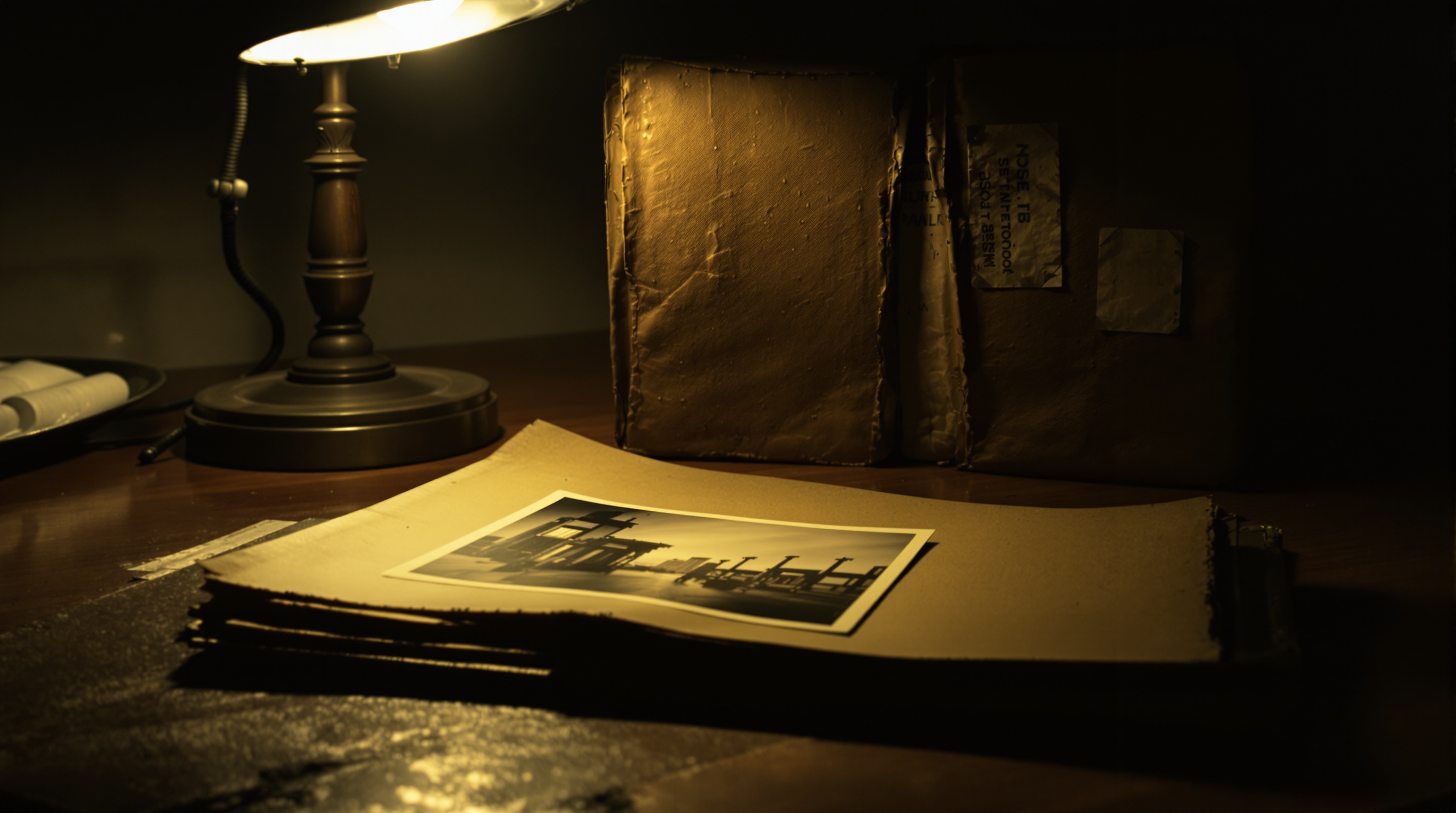
When I take on a cold case, I start from scratch. I request the complete case file from law enforcement — every report, every interview transcript, every piece of evidence. Then I review it with no assumptions.
You would be surprised how often I find leads that were never followed up. Witnesses who were never re-interviewed. Connections that were missed because the original investigators were overwhelmed with other cases. A fresh, dedicated set of eyes on a case file can be transformative.
New Technology Changes Everything
Technology that did not exist five or ten years ago is now available and can be applied to cold cases.
Thermal Imaging Drones. If the original search was conducted without drone technology, we can re-search the same areas with dramatically better capability. Our DJI Matrice M30T can survey terrain that was never adequately covered on foot.
Advanced Database Access. Investigative databases are constantly updated with new records, addresses, phone numbers, financial transactions, and social connections. A database search today will yield results that were not available when the case was active.
AI-Assisted Image Analysis. We can process satellite imagery, aerial photography, and surveillance footage using ADIAT software to identify anomalies that human reviewers missed.
Cadaver K9 Teams. Cadaver dogs can detect human remains years — even decades — after death. If there is a suspected burial site or dump location, K9 teams can search it regardless of how much time has passed.
Re-Interviewing Witnesses
People talk. Maybe not the day it happened, but years later, allegiances shift. Relationships end. Guilt builds. Fear fades. Someone who stayed silent in 2015 might be ready to talk in 2026.
Re-interviewing every person connected to the case is a standard part of our cold case process. We approach it differently than law enforcement — not as authority figures with badges, but as investigators working for the family. That distinction matters, and it often produces information that was previously withheld.
When Families Should Hire a PI for a Cold Case
If you have not received an update from law enforcement in months or years, it is time. If the detective assigned to your case has changed multiple times, it is time. If new information has surfaced that the police have not acted on, it is time.
You do not need permission from law enforcement to hire a private investigator. You have every right to pursue answers independently. A good PI will work cooperatively with law enforcement while maintaining their own independent investigation.
Our Approach
We treat cold cases with the same urgency as active cases. We deploy the same technology, apply the same investigative rigor, and communicate with families regularly. The only difference is the timeline — and even that can work in our favor, because time sometimes loosens the grip that kept the truth hidden.
If you have a cold case and need answers, call SEARCH Investigations: (877) 619-9890. We do not give up on cases, and we do not give up on families.