Search and Rescue vs. Search and Recovery: Understanding the Difference
These two terms — search and rescue, and search and recovery — sound similar. But they represent fundamentally different operations with different goals, different timelines, and different emotional realities for the families involved.
I have led both types of operations. Understanding the distinction is important, not because it is clinical or academic, but because families deserve honesty about what is happening and why.
Search and Rescue (SAR)
Search and rescue is the operation to find a missing person alive. The goal is recovery of a living person. Every decision — the urgency, the resources deployed, the speed of the operation — is driven by the assumption that the missing person is still alive and needs help.
SAR operations are time-sensitive. We know that survival odds decrease with every hour that passes, especially in wilderness environments, extreme weather, and cases involving medical vulnerability. The first 24-72 hours are the most critical window.
In a SAR operation, we deploy everything we have: thermal imaging drones to detect body heat, K9 teams to track scent trails, ground searchers to cover terrain, and investigators to analyze behavioral patterns and predict where the person might have gone.
Search and Recovery
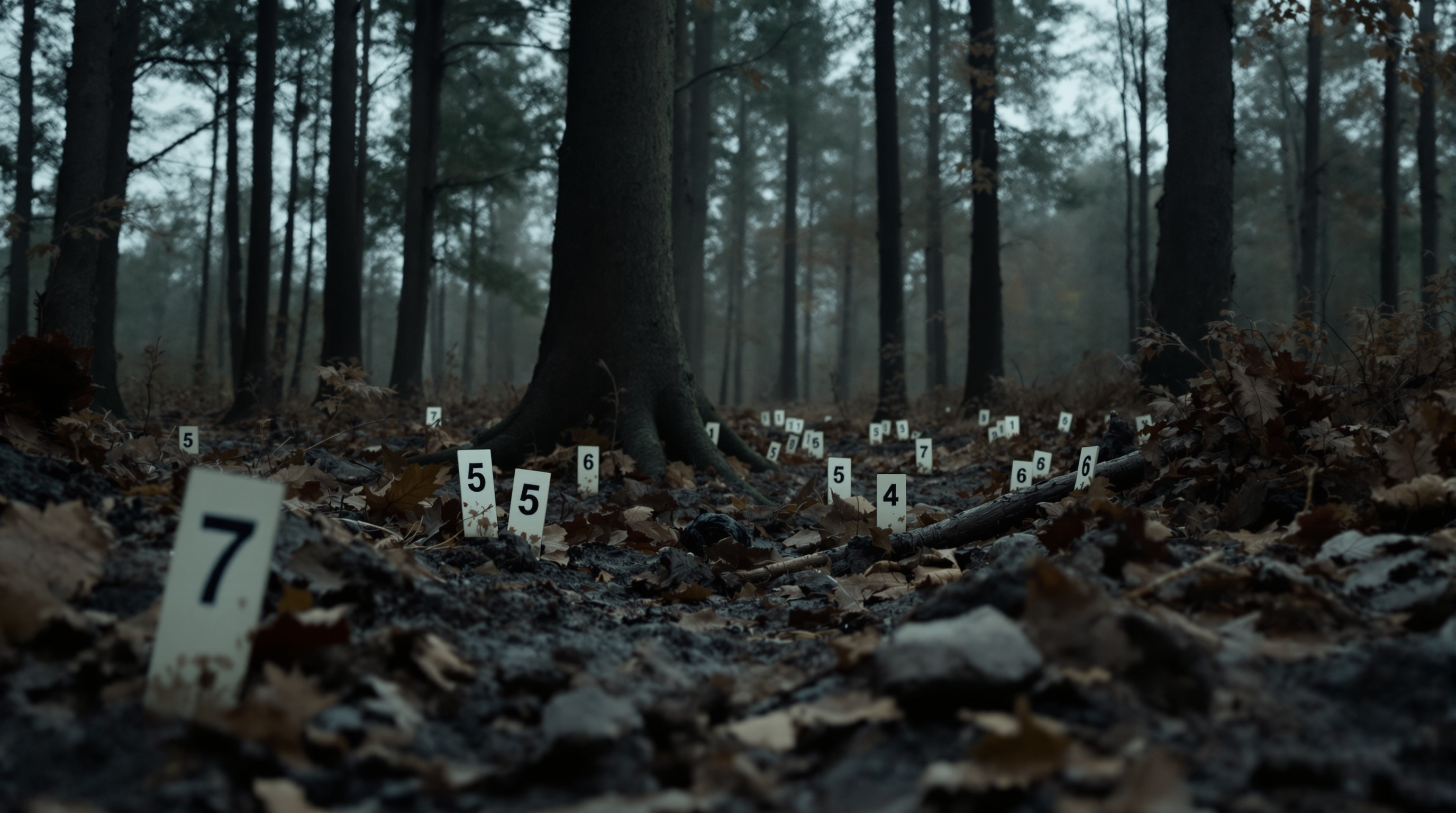
Search and recovery is the operation to find and recover a deceased person's remains. The goal shifts from saving a life to providing closure and answers.
This transition is one of the most painful moments for any family. But it is also one of the most important things we do. Families deserve to bring their loved ones home. They deserve answers about what happened. And they deserve the ability to grieve with certainty rather than living in permanent uncertainty.
When the Transition Happens
There is no fixed timeline for when a search transitions from rescue to recovery. It depends on the circumstances: weather conditions, terrain, the person's health and preparedness, water temperature if drowning is suspected, and the totality of the evidence.
In practice, official SAR operations by law enforcement or volunteer teams are often stood down within days — sometimes sooner. Resources are finite, and active emergencies take priority.
This is where private investigation becomes critical. When the official search ends, we continue. At SEARCH Investigations, we have taken on cases where official SAR ended within 48 hours, and we deployed our team to keep looking.
Recovery Operations: The Tools
Recovery operations use specialized tools and techniques.
Cadaver K9 Teams. Human Remains Detection (HRD) dogs are trained to detect decomposition, even years after death and even through soil, water, and concrete. These dogs are remarkable — they can detect remains that are buried feet underground or submerged in deep water.
Underwater ROV. Remote Operated Vehicles equipped with cameras and sonar allow us to search rivers, lakes, reservoirs, and ocean areas without putting divers at risk. Many missing persons cases involve water, and ROV technology has transformed our ability to search underwater environments.
Ground-Penetrating Radar. For cases where burial is suspected, GPR can detect subsurface anomalies consistent with human remains.
Drone Overflights. Even in recovery mode, our thermal and visual drones provide critical aerial perspective, mapping terrain and identifying areas of interest.
Why Recovery Matters
I have sat with families who have been waiting years — families living in a limbo worse than grief, because they do not even know whether to grieve. Finding their loved one's remains is not the outcome anyone wanted. But it provides certainty. It provides a place to visit. It provides the ability to hold a funeral. It provides closure.
Recovery also provides evidence. In cases involving foul play, the recovery of remains can provide critical forensic evidence that leads to justice.
Our Commitment
At SEARCH Investigations, we commit to the full spectrum — rescue through recovery. We do not walk away when the mission shifts. We have the tools, the training, and the resolve to see every case through to its conclusion.
If you need search and rescue or search and recovery services, call SEARCH Investigations: (877) 619-9890. We do not stop looking.